"The Process of Painting - Painting People and Horses in the Landscape" with Raj Chaudhuri
Icebreaker: 5 p.m. September 14, 2027
Workshop: September 15 - 18, 2027
9 a.m. - 4 p.m.
4 Day Studio and Plein Air (on Bluebird property)
$840 + 6.88% NM Sales Tax
About the Workshop
Skill level: Beginner and Up
Materials used: All mediums accepted. Teaching medium is oil.
Learn how to make successful paintings
This class will start with design considerations in a painting, then focus on separating value from color, to understanding color and its approaches, adding narrative elements, gradation of edges and many more topics. Here are four unique elements of my teaching are as follows:
Understanding the ‘Why’
Instead of giving more ‘rules’ that will tie creativity down in knots, or saying this is ‘easy’ or the ‘only way’ to do it, I will instead provide you with a deep understanding of the numerous complex parts of a painting. We will learn answers to many questions such as: what makes a good design? why is my color muddy? and more.
Simplify the process of painting into manageable parts
I believe that having a process to make paintings is paramount. Starting with notes and sketches for painting ideas, to studying historical and contemporary paintings, that hold your attention, to understanding what you love and want to paint. We will learn to use thumbnails for design, Photoshop to combine photographic images for the painting. Create color studies to provide a roadmap for the larger painting. Starting with a few (two or three) values and a full color palette to get the painting setup, introducing more values at a later stage. I will break down and simplify the painting process into manageable smaller steps so that you don’t need to make all the decisions at once. Painting is a very hard and elusive thing to do, but by focusing on the right things, to stop copying reference and having a plan to execute a good painting with curiosity and intent.
Two Value Start
I always start my paintings with only two or at most three values. This allows me to focus on the value separation between the light and dark or light and shadow shapes (dark and shadow are not necessarily the same!) and clearly see the design of the painting. Adding more values at a later stage is the correct way to develop the painting. So many more reasons for this which I will cover during the workshop.
Guided Demonstration
Finally, the guided demo is to me the most eLective and eLicient way to transfer knowledge dynamically. We will do several of these demo/paintings during the week-long workshop. I mix the colors, call out the combinations and pass along each mixture, allowing you to mix the same combination and match the value. Then we put down the paint on our paintings. This will improve color vocabulary, value control and drawing as we paint on each of our paintings together.
Painting Elements and Approaches
There are two parts to a painting, both of which are very important as an artist. First is the subject matter. We will learn how to make choices in a painting by answering questions such as ‘What is the Painting About?” The second part of the painting is all abstract and technical — it focuses on the Shape-Value-Color approach that I use in all my paintings. Painting Approaches from Light and Shadow to Local Tone to Dark Light Pattern will be discussed in detail and why they are important in the painting process. Learning to see beyond the reference or what’s in front of you to the why, will provide the tools to make better choices, to enjoy the painting process, make better paintings and grow as an artist.
Studio painting and Plein air Painting
We will do a lot of painting in this workshop. The medium does not matter to me, I use oils primarily but also paint in watercolor and do a lot of pen and ink / pencil drawing. You are welcome to bring whatever drawing/painting medium you would like to for the class. Our goal is to deepen your understanding of the painting process. Of course with oils, I will be able to show you many techniques to help you improve. Plein air painting has its own challenges but to me it is the best and honestly fastest way to improve! It forces one to make decisions and improve one’s ability as the light is constantly changing. I love plein air painting, so will have loads of tips and equipment choices that make it easier and more fun to do!
Ultimately, painting is about making choices, with intent, instead of being forced to copy reference. This applies to studio painting as well as plein air painting! Moving past the labeling of what you are painting, instead seeing the beauty of the design in front, will be freeing and let you learn more about your sense of beauty and develop as an artist.
Workshop requirements/supplies
PASTELS
As many pastels as you feel comfortable with. Colour range is more important than quantity. Aim for a good range of values and colours.
My box of pastels usually holds a value range of the primaries. A choice of warm and cool neutrals. Plus, some bright fluorescents.
I also use semi-hard black pastel sticks which I get from Amazon..
PAPER and BACKING BOARDS
Your favourite pastel paper.
I will be using mostly Canson Velvet (sepia, deep brown, red), Pastel Premier (Italian Clay, & Terracotta)
I favour full sheets of each as this allows me to trim to size.
MISCELLANEOUS
Your favourite easel.
Solid Backing board (I add foam board to my backing board to act as a cushion).
Your sketchbook/journal.
OPTIONAL: A few pastel pencils, semi hard black pastels, Drawing pencils.
OPTIONAL: A choice of black ink markers (fine liners plus wedge shaped nibs the fatter the better).
OPTIONAL: Toned sketchbook for use with markers and pastel pencils.
iPad, Tablet, Phone for reference images and for taking photographs!
Photo reference you feel at ease with. Try to choose your photographs have a good composition with a possible lead in, a good focal point and most importantly a range of values.
I can provide and air drop from my iPad’ reference images for students to choose for their own paintings.
Hand wipes.
Drop cloth.
Masking tape or clips.
A sense of Fun!
About Tony
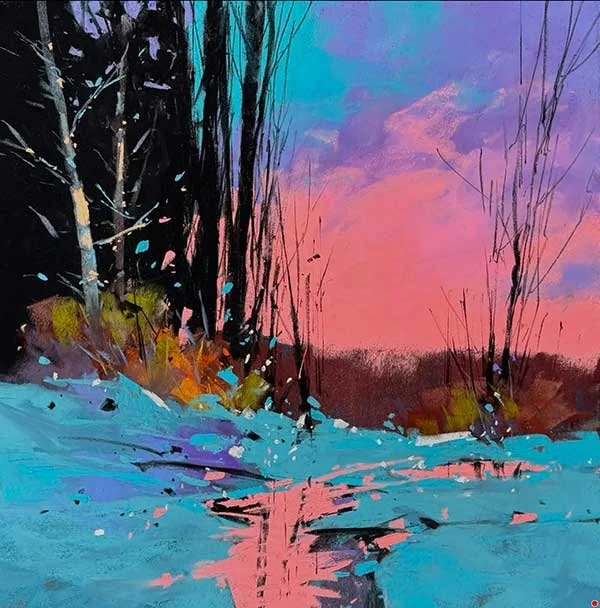
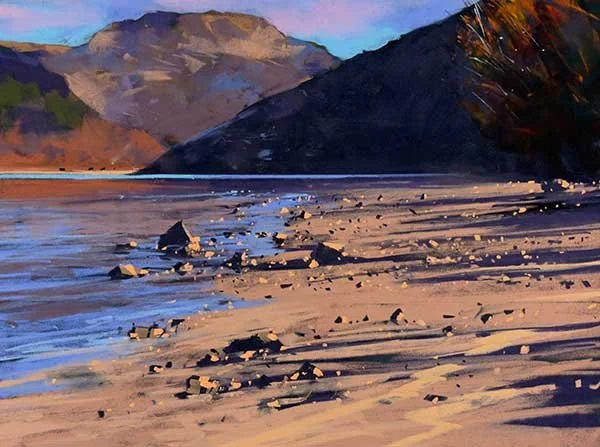
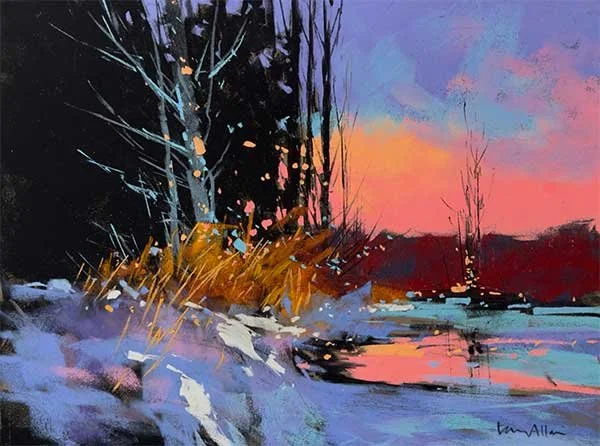
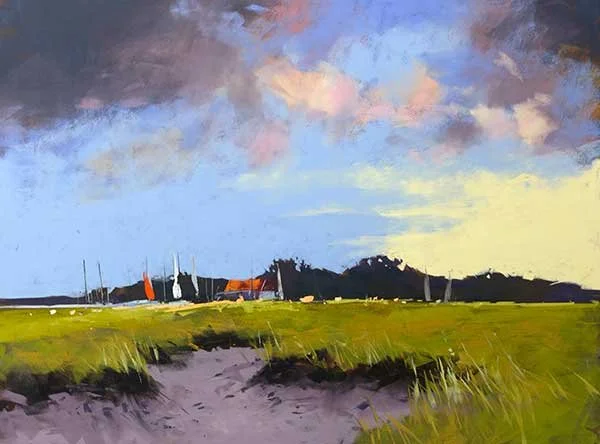
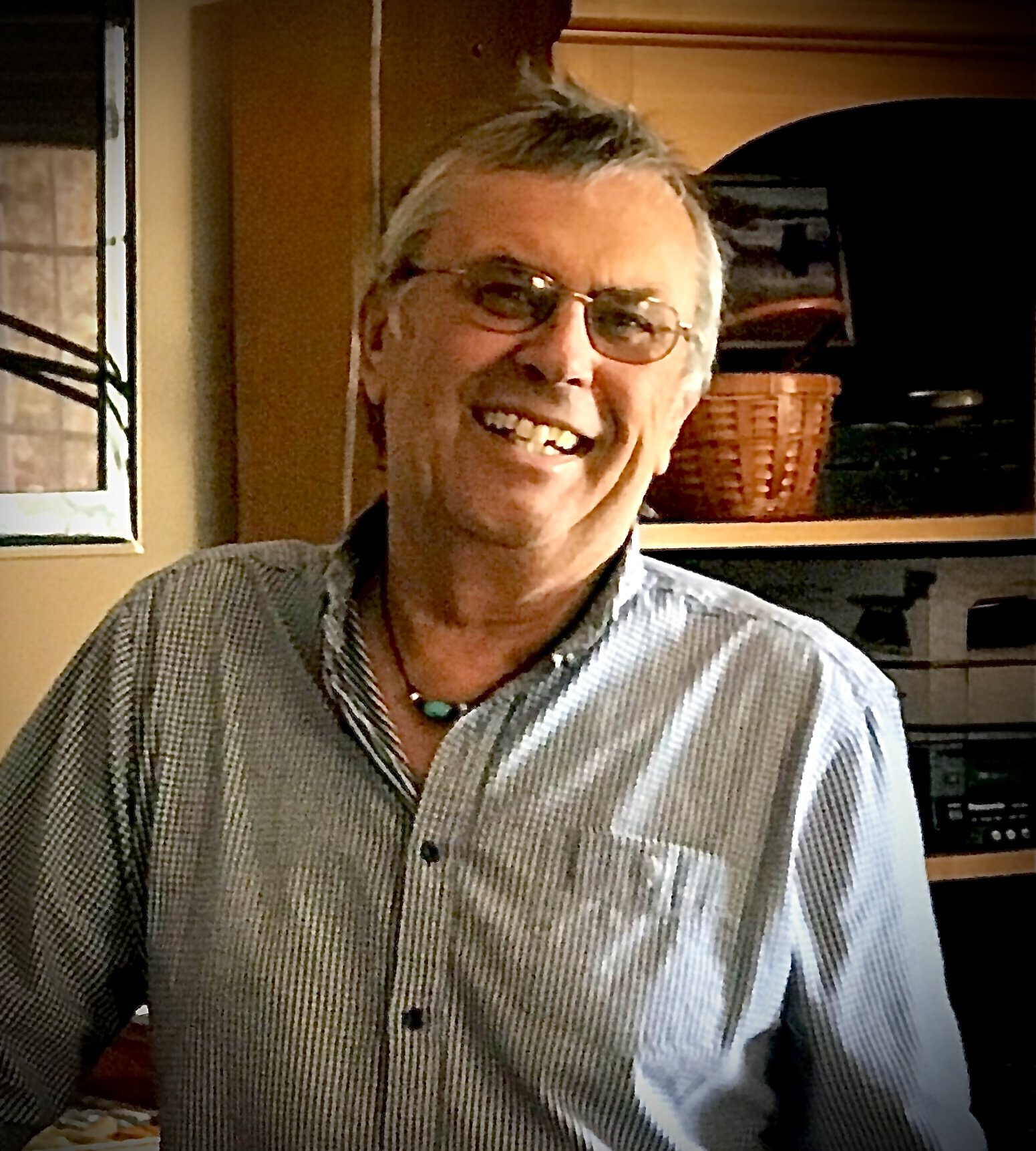
Tony is an award winning painter, instructor and author and has been painting for all of his life. A member of the Pastel Society London, a member of the Royal Society of Marine Artists among others. A painter of colour, light and movement with a complete understanding of his surroundings. Born and raised on Guernsey in the Channel Islands where he studied life drawing and painting from life. He moved to live and paint in Cornwall to capture the unique clarity of light on the peninsular of the West Country. Tony has exhibited extensively over the years, his work can be found in many leading galleries as well as private and corporate collections worldwide, including the Maritime Museum, Guernsey and Queen Mary 2, Cunard Liner. He has exhibited with The Pastel Society of America in New York, the Royal Society of Marine Artists, London, The International Pastel Exhibition, Suzhou, China and the Pastel Society, Mall Galleries, London. A move to New Zealand in 2006 proved to be a turning point in his career with the acceptance as a Master of the Pastel Artists of New Zealand, a Signature member of the Pastel Society of America, elected an Eminent Pastelist of the International Association of Pastel Societies. His work is regularly featured in The Artist Magazine, the Pastel Journal and the Practique des Arts. Tony now lives and works in Scotland.
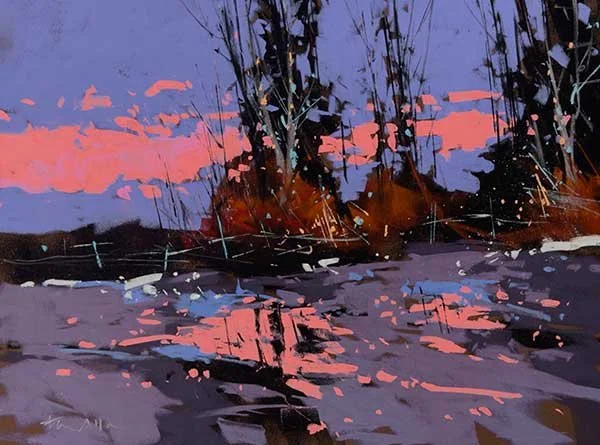
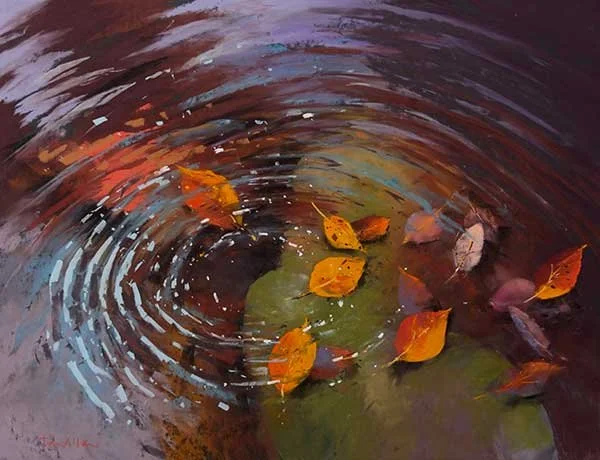
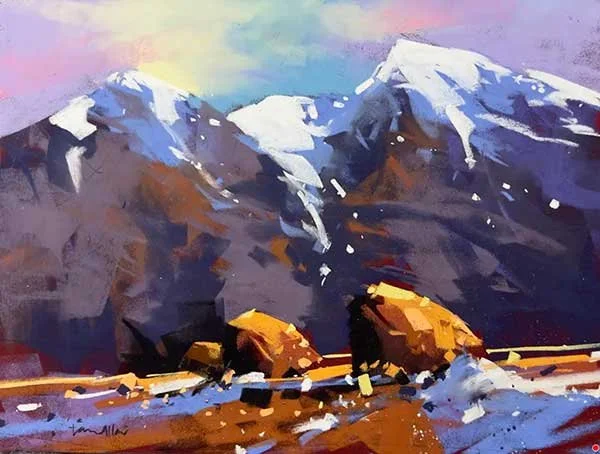
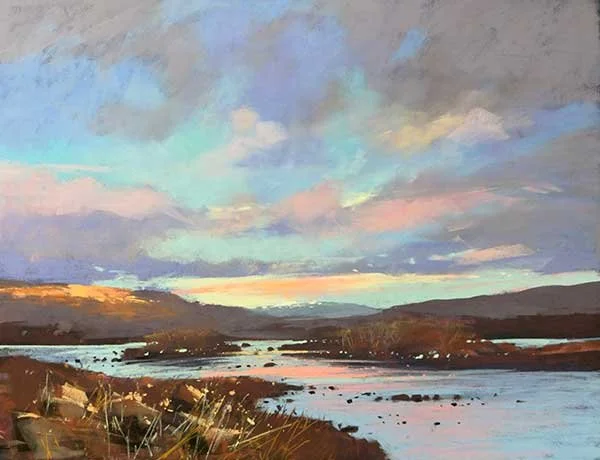
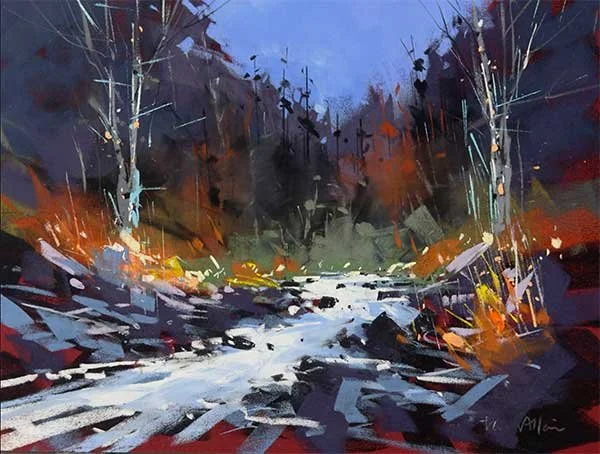
My aim is to capture the essence of a time and place. This is through the freedom of his mark making. The joy of this medium for me is in its immediacy. With no need to mix colours on a palette or wait for certain areas to dry, I work on my surfaces with an intuitive speed and confidence. The resulting compositions have a robust, awe inspiring quality that itry to capture the viewer’s attention." My passion will always be the landscape, it is why I became an artist. I want to share my vision of the world I see. Colour and light is my motivation for choosing a subject. The light sparkling on the water, the colour reflected in the landscape. I favour the early morning or late afternoon to capture these effects. My art is simply a collection of moments. I think an artist has to allow his surroundings to reveal itself, before the artist can reveal their vision of the way they see the world onto others.
What’s included
This workshop includes a mix of complimentary food and beverages. Included are the following:
Complimentary continental breakfast: Yogurt, fruit, coffee, teas, juices, hard-boiled eggs, and pastries
Coffee, hot and/or iced tea, lemonade, soft drinks, sparkling waters, and fruit-infused still water are available all day
Catered lunch brought into the studio or painting location for $20 (optional)