"Painting With Purpose: Reimagining the Landscape" with Douglas Fryer
Workshop: April 26 - 29, 2027
9 a.m. - 4 p.m.
$840 + 6.88% NM Sales Tax
Menu
About the Workshop
Skill level: Intermediate-Advanced
Materials used: Oil and Acrylic. Pastels accepted. Teaching medium: Oils
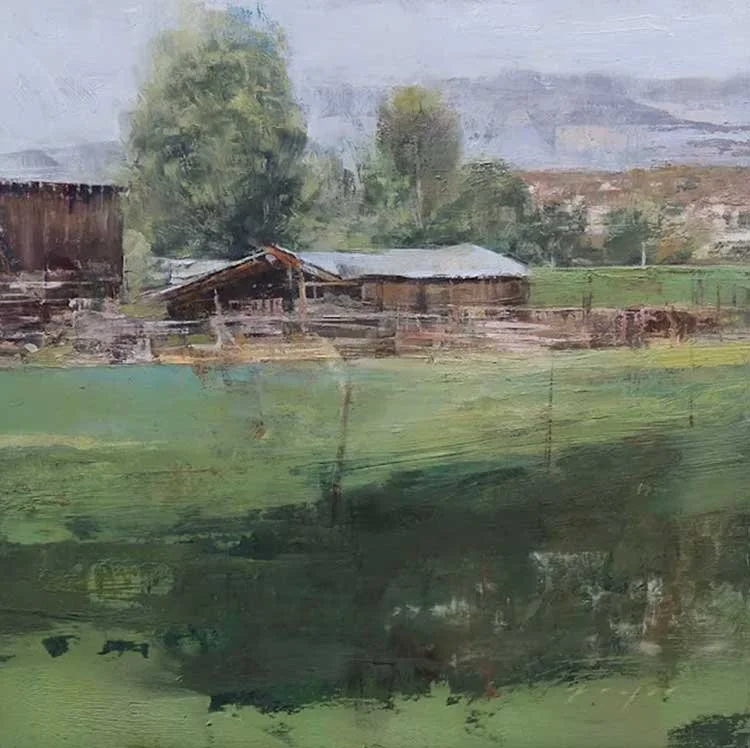
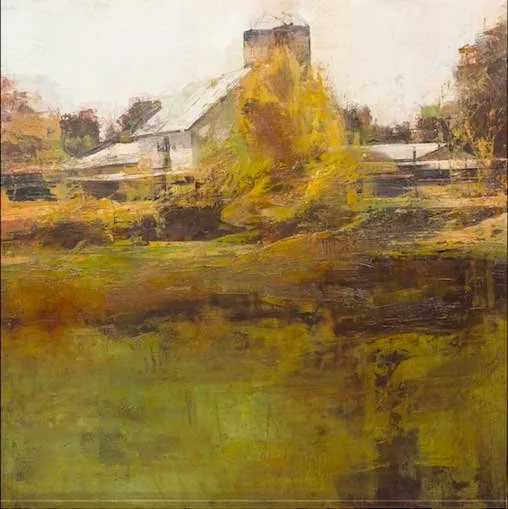
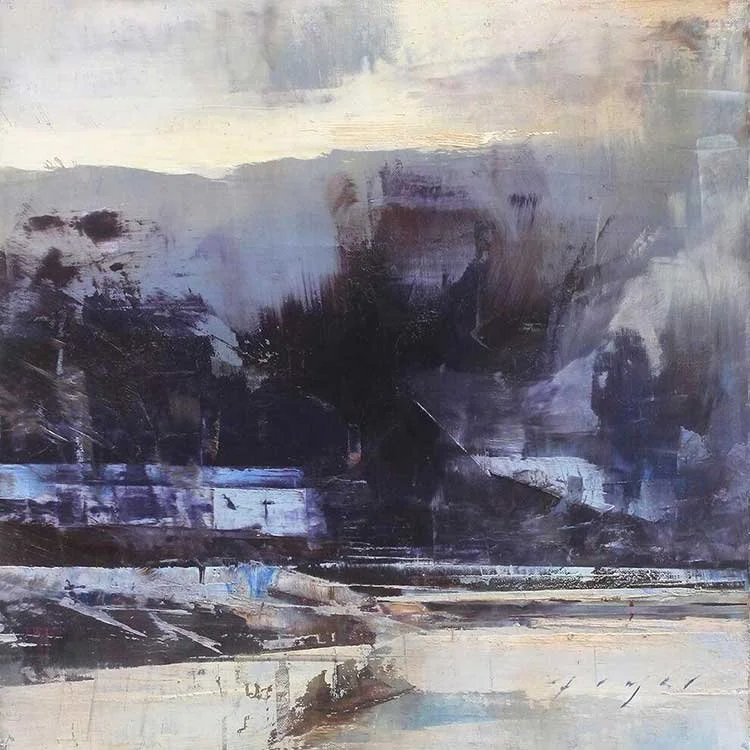
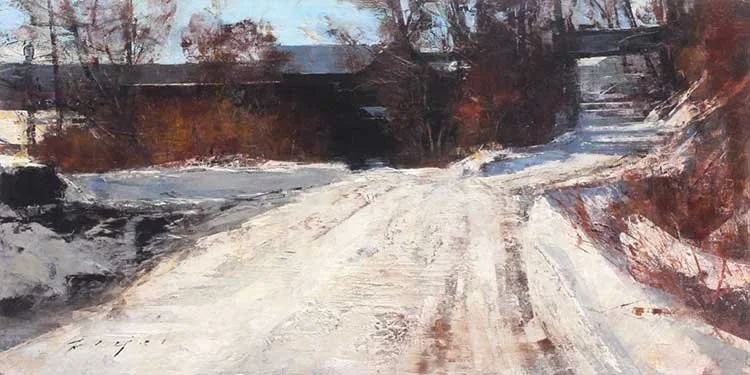
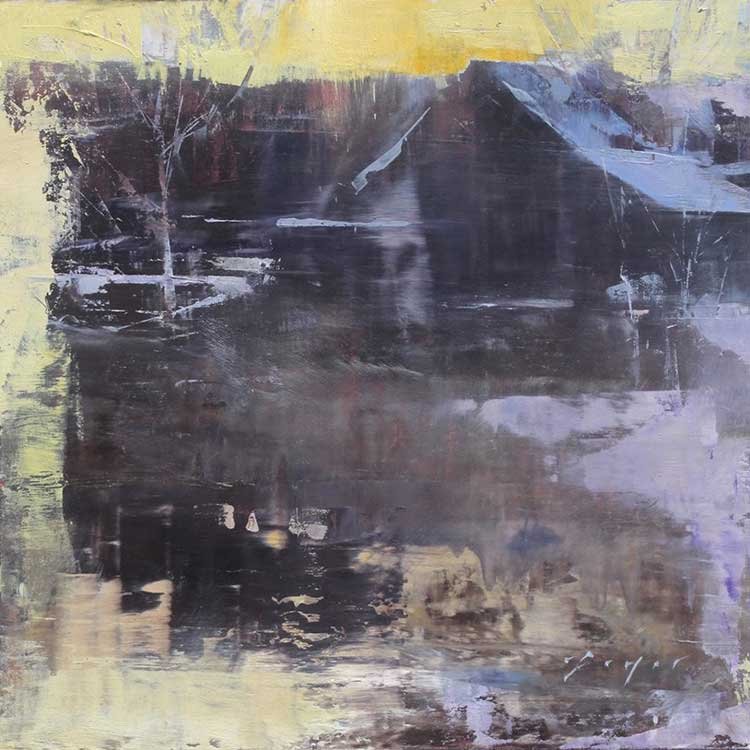
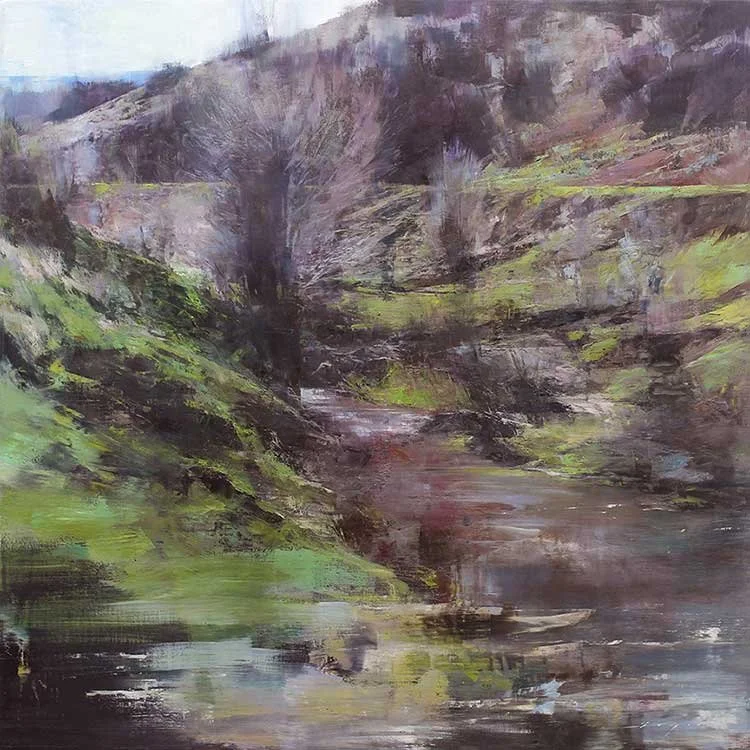
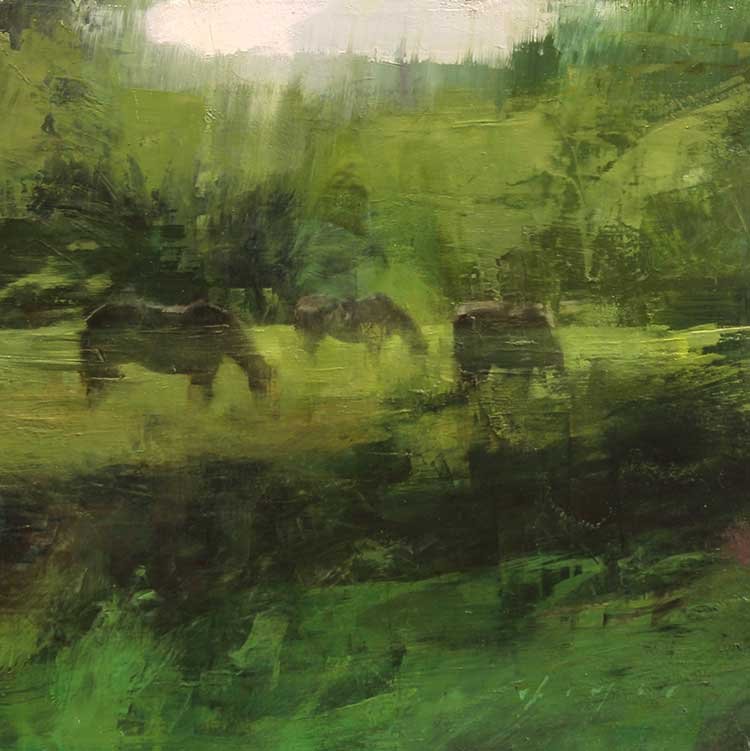
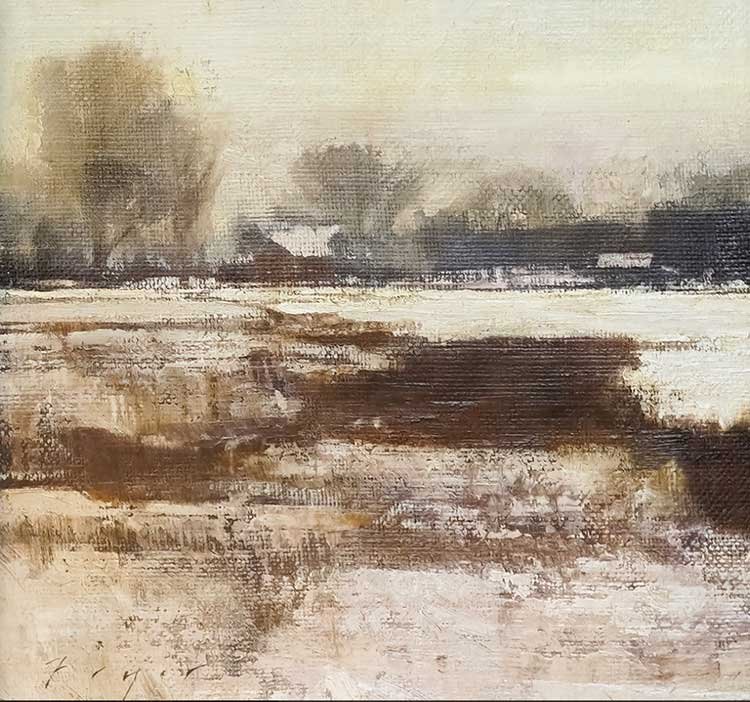
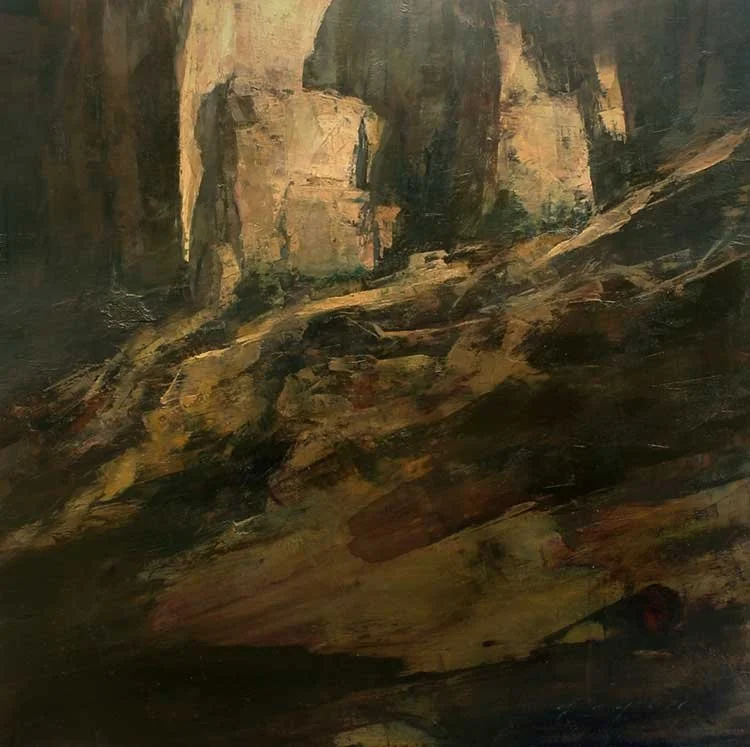
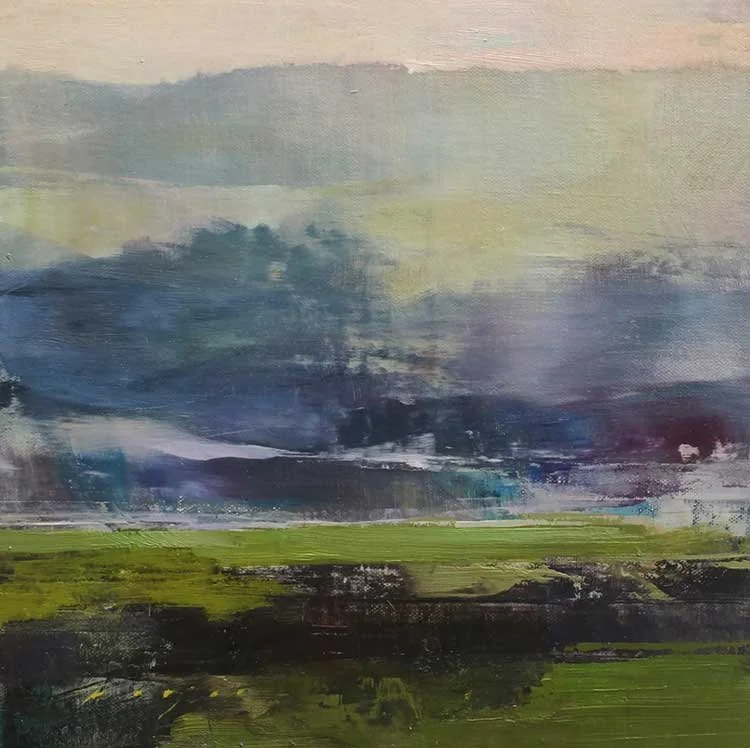
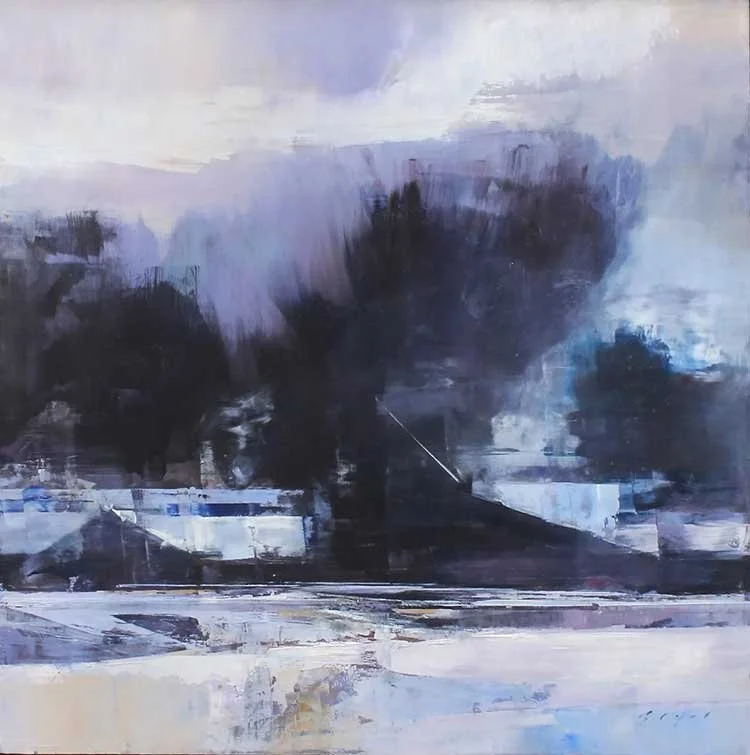
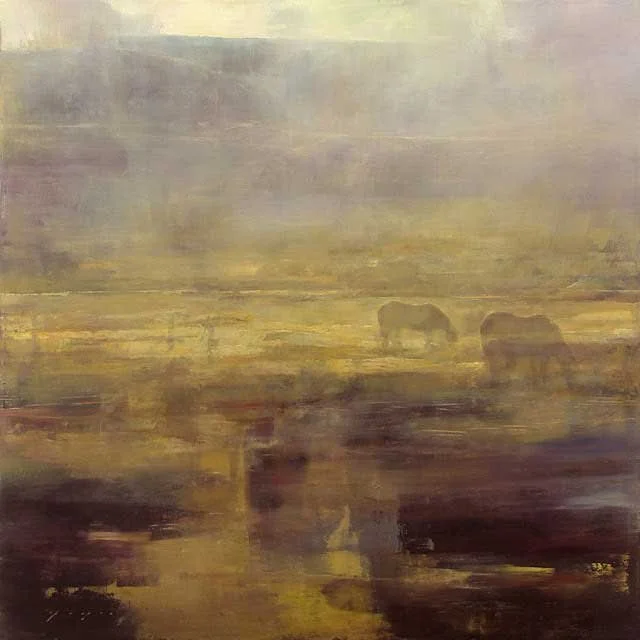
Landscape painting is more than a faithful copy of the structure of the world. The opposite may be true, in fact. There is no set rule for making a landscape painting. Only this idea remains: the landscape is what we imagine it to be. Once we accept that, then how do we begin? What principle will serve me to observe and translate something engaging and worthwhile? Which principles will limit me? Painting great work requires discipline, but not necessarily in the ways we have often been led to believe. There is a difference between making a painting of the landscape and a painting about the landscape. Through lectures, discussion and demonstrations, Douglas will address the many elements of engaging landscape painting. The workshop will reinforce an understanding of composition and form and will also explore methods to break up and strip down the subject, then reconstruct it in new and surprising ways.
Workshop requirements/supplies
OIL COLORS:
I hate saying which colors to bring because it is such a personal decision. But I will tell you what I like. Don’t get too worried about the number, but this is the palette I commonly use on my studio palette: Titanium White, Ivory Black, Burnt Umber, Raw Umber, Yellow Ochre, Raw Sienna, Burnt Sienna, Cadmium Red Deep, Cadmium Red Medium, Cadmium Red Light, Cadmium Orange, Cadmium Yellow Deep, Cadmium Yellow Medium, Cadmium Yellow Light India Yellow, Cadmium Green, Phthalo Green, Phthalo Blue, Cobalt Teal, Cadmium Chartreuse, Cerulean Blue, Ultramarine Blue, Cobalt Blue, Dioxazine Purple, Quinacridone Magenta, Quinacridone Rose. There are dozens of others I sneak in occasionally. That being said, I often limit my palette to fewer colors, such as Titanium White, Ivory Black, Cadmium Red Medium (or Vermillion), Yellow Ochre, and Cobalt Blue. But if I were to be painting a variety of greens in the field, for example, I would use Phthalo Green and Burnt Sienna (as the two mixed together make a very good dark green) and perhaps Cobalt Teal and Cadmium Green for variety and intensity of lighter greens, plus what I can get with my various yellows. If I were to paint a variety of blues, I might want to include 4-5 blues ranging from Phthalo Blue, Cerulean Blue, Cobalt Blue, Ultramarine Blue, and perhaps Indigo or Prussian Blue. Quinacridone Rose is wonderful to tone the greens or to add pinks against greens for contrast, or to add intensity to a purple or to use as an imprimatura. So there you have it. Choose whatever you like, as many as all of them or as few as the limited palette, they will all make fine paintings.
ACRYLIC COLORS:
Please bring 6-8 colors of your own choice, for a particular assignment and for underpainting that will dry quickly. These should be in the middle value range, and can be a range of vibrant colors - blues, magentas, yellows, reds and oranges. It doesn’t matter too much with how we will use them.
MEDIUMS:
Odorless Mineral Spirits, mainly for cleanup.
I like the consistency and working time of Galkyd Lite Gel, but if you have another fast-drying medium, that will work. I use Liquin regularly, for a fluid, fast-drying medium also.
Liquin Oleopasto is a stiffer, paste medium that I love for obtaining thicker impasto with knives. A must for knife work, for me. You may also try a cold wax medium for similar effects, but it is a little more translucent.
PANELS:
Please bring a variety of panels (4-6) in the range of 8” - 12” on the shortest dimension, up to 18” - 24” on the largest dimension. It could be a standard ratio, like 11”x14”, or a square, like a 14” x 14”, or a panoramic ratio, such as a 10”x20”. As we will be using painting knives in addition to brushes, it is really important to buy or prepare panels with fabric, such as muslin, cotton or linen adhered to the surface. Acrylic gesso is preferred, since we will be using acrylics as well as oils. If you bring panels with an oil-primed surface you won’t be able to use acrylics, so in that case you would use only oils. If your panel does not have fabric, you can easily adhere some. Instructions are below. Stretched canvas is strongly discouraged. Primed canvas can be adhered to a panel using a neutral ph PVA adhesive, then trimmed for a clean edge on the panel. I prefer a cradled panel, as it is more stable than an uncradled panel. They also sit nicely on the easel, projecting the surface out from it, allowing easier space for the hand to move when using painting knives.
BRUSHES:
A variety of brushes. Small Rounds: #4, #6 etc., Brights or Flats or both (either synthetic or natural) #4, #6. #8, etc. Other larger flats or filberts such as a 12, or a 1” - 1 1/2” synthetic or natural bristle brush for broad areas and softening. You may also bring others as needed or desired.
KNIVES:
I use a variety of knives, but especially the following Blick 004, 046 and 106 My favorite knife may be the 4” FLEXIBLE spackling knife I got in the hardware store, so get one of those.
EASEL AND PALETTE:
A portable easel suitable for plein air painting, with as large a mixing area as you can get. In fact, I bring along a small hand-held palette to mix on, then transfer the mixed piles of color to the palette on my easel.
Miscellaneous:
Soft Charcoal pencil
Graphite Pencils for sketching
Spray fix
Tape
Quality paper towels, like blue shop paper towels
Apron or Smock
Notebook
Sketchbook
Erasers
A 12” or 18” T square
Digital camera, optional
Sketch book
Jars or containers for solvents, mediums and water
Paper towels. I like blue or white shop towels.
PHOTO REFERENCES:
Bring a number of them. We will experiment with different configurations and crossings. I prefer to print mine on 8.5” x 11” matte heavyweight
paper.
Any other equipment or materials you feel would serve you.
Please view the downloadable Supply List for instructions on Panel Preparation.
About Douglas
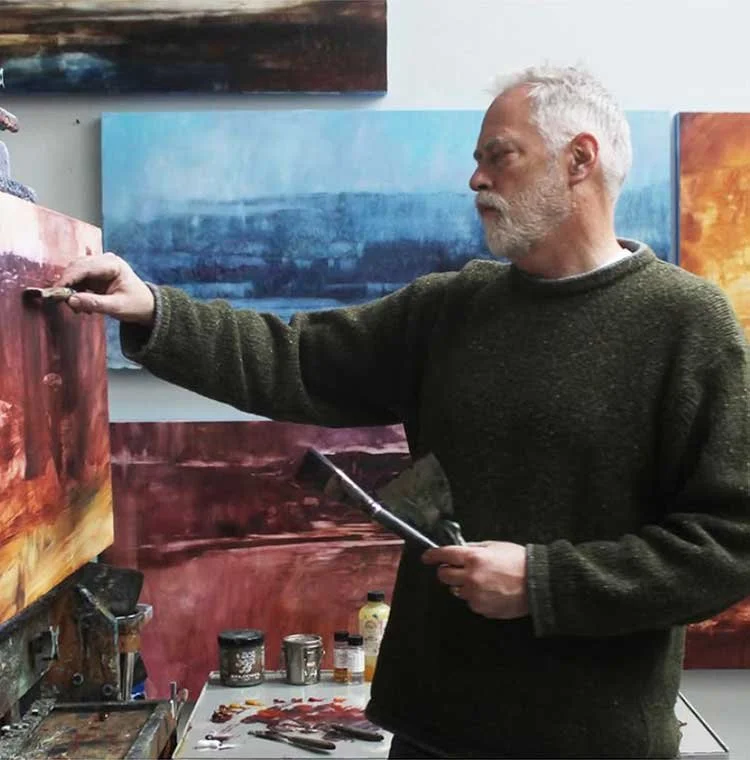
Douglas Merrill Fryer was born in Salt Lake City, Utah, in 1963 and grew up in Illinois, New Jersey, and California. He received a BFA in Illustration from Brigham Young University in 1988 and later returned to BYU, earning an MFA in Painting and Drawing in 1995.
Fryer has taught drawing, painting, illustration, and undergraduate and graduate special problems courses at several universities and art schools, including Brigham Young University, the University of Hartford in Connecticut, and the Fashion Institute of Technology in New York City. He has also been an invited lecturer at numerous colleges, universities, and art schools.
Over the course of his career, Fryer has participated in more than one hundred solo and group exhibitions, and his paintings are represented in numerous private and public collections. His work has earned many prizes and awards, including First Place at the Springville Museum of Art's 90th Annual Spring Salon. In 2017, he received a fellowship from the Ballinglen Arts Foundation in Ballycastle, Ireland. In 2025, he was honored with the Governor's Mansion Artist Award in recognition of his lifetime achievements and contributions to the arts in Utah.
Although oil painting is his primary medium, Fryer enjoys exploring a variety of materials and techniques, including watercolor, printmaking, and digital media. His deep appreciation for landscape has been shaped by the many beautiful places he has called home, including seven years in rural Vermont and, most recently, Spring City, Utah.
Fryer's personal work reflects his connection to the places, objects, and people that hold simple yet profound meaning in his life. Through his paintings, he hopes viewers will sense his affection for his subjects and share in the pleasure he finds in the process of making art.
What’s included
This workshop includes a mix of complimentary food and beverages. Included are the following:
Complimentary continental breakfast: Yogurt, fruit, coffee, teas, juices, hard-boiled eggs, and pastries
Coffee, hot and/or iced tea, lemonade, soft drinks, sparkling waters, and fruit-infused still water are available all day
Catered lunch brought into the studio or painting location for $20 (optional)